
How to become a Jeweller in 2026
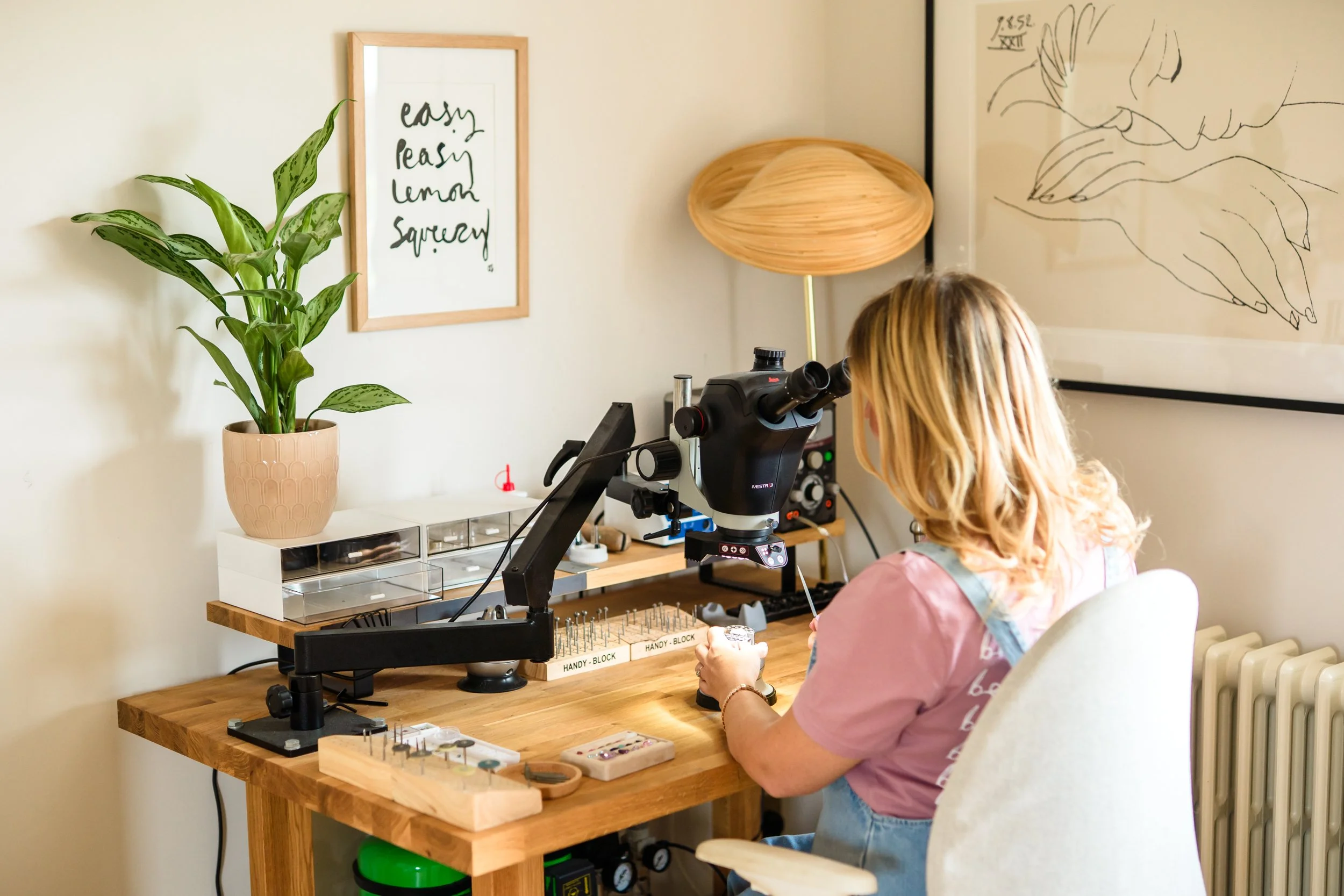
Jewellery making is a beautiful craft that combines creativity, technical skill and storytelling. Whether you dream of making engagement rings, sculptural jewellery or meaningful everyday pieces, many people eventually ask the same question:
How do you actually train to become a jeweller?
The good news is that there are more ways than ever to learn jewellery making in 2026. And no matter your age, background or previous career, it is absolutely possible to start your journey.
At Jewellers Academy Brighton we regularly meet students who are starting something completely new — teachers, designers, accountants, nurses, parents returning to work, and creatives who want a more hands-on career.
If you’re wondering how to begin, here are the most common ways people train as jewellers today.
1. Completing a Jewellery Diploma
One of the most structured ways to train as a jeweller is through a professional diploma programme.
Diplomas provide a clear pathway for learning technical skills such as sawing, soldering, stone setting and finishing. They are designed to guide students step-by-step while building confidence at the bench.
Another advantage of diploma training is that you are learning alongside other jewellers, which creates a supportive environment and allows you to learn from shared experiences.
For many aspiring jewellers, a diploma offers the most balanced combination of technical training, creative exploration and professional guidance.
At Jewellers Academy Brighton, we offer Diplomas in Silver Jewellery, Fine Jewellery and Wax Jewellery, with full-time and part-time modes of study available.
2. Teaching Yourself Jewellery Making
Some jewellers begin their journey by teaching themselves.
This often involves a mixture of:
YouTube tutorials
Jewellery books and online resources
Short workshops or demonstrations
Lots of experimentation at the bench
Self-teaching can absolutely work, particularly for highly motivated people with plenty of patience.
However, it often involves a lot of trial and error, and progress can be slower without expert guidance. Jewellery techniques can be very precise, and sometimes the smallest adjustment can make a huge difference to the final result.
Many self-taught jewellers eventually decide to take classes or structured training to refine their skills and deepen their knowledge.
3. Becoming an Apprentice
Traditionally, jewellery was learned through apprenticeship.
An apprentice works alongside an experienced jeweller and learns through hands-on practice in a real workshop environment.
This can be an incredible way to learn because you gain experience with:
Professional jewellery production
Workshop tools and equipment
Real customer repairs and commissions
However, apprenticeships in jewellery are relatively rare today, especially in the UK. They also typically require full-time availability and living close to the jeweller’s workshop.
Because of this, many people now look for flexible training options that fit around work or family life.
4. Studying Jewellery at University
Another possible route is studying jewellery at university.
A degree in jewellery design or metalwork can be an enriching experience, particularly if you are interested in conceptual design and contemporary jewellery.
However, some jewellers find that university courses focus more heavily on creative exploration and written work rather than the technical bench skills needed for professional jewellery making.
University degrees can also be very expensive, which leads many aspiring jewellers to explore other training routes.
5. Short Jewellery Courses and Workshops
Before committing to a longer training programme, many people choose to start with short jewellery classes.
These can include:
Multi-day intensive training focused on a specific skill
Short courses allow you to experience jewellery making and decide whether it’s something you want to pursue more seriously.
They can also help you build confidence with tools and materials before committing to a longer course.
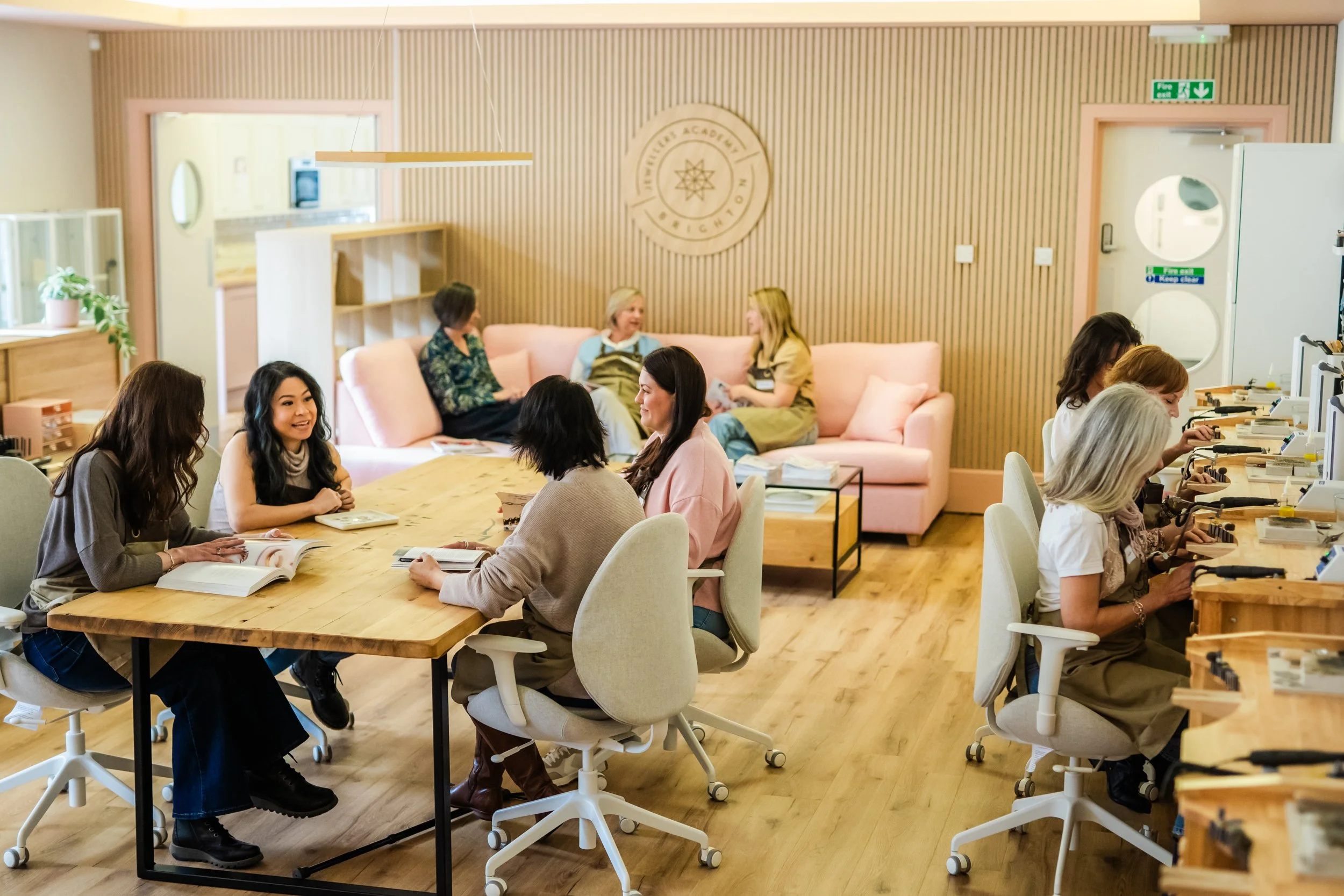
Joining a Diploma at Jewellers Academy Brighton
For students who want to develop their skills further, we also offer several professional diploma programmes.
Diploma in Silver Jewellery
This programme takes you from beginner to professional jeweller.
There are two modes of study: full time (intensive 7 week course) or part-time (1 day per week, over a year).
You can find out more here.
Diploma in Fine Jewellery
A more advanced programme that teaches goldsmithing and advanced stone setting techniques.
Again, you can do this course intensively or part-time.
Diploma in Wax Jewellery
A course focused on sculptural jewellery making through wax carving and casting techniques. You will also learn how to finish and set stones in your cast pieces.
Find out more about the Diploma in Wax Jewellery here.
These programmes are designed to help jewellers build strong technical foundations while developing their own creative voice.
Go For It
If you’ve been thinking about learning jewellery making, here is the most important advice we can give you:
Just go for it.
So many people delay their creative dreams because they think it’s too late, they’re too busy, or they’re not talented enough.
But jewellery making is a skill that is learned through practice.
Yes, it takes time.
And yes, you will make mistakes.
But it is also one of the most rewarding crafts in the world. There is something incredibly special about creating a beautiful object with your own hands.
If jewellery making is something you feel drawn to, trust that instinct and take the first step.
Your future self will thank you.
Frequently Asked Questions About Training as a Jeweller
How long does it take to train as a jeweller?
The time it takes to train as a jeweller can vary depending on the learning path you choose.
Some people begin with short workshops and gradually build their skills over several years. Others choose a structured diploma programme that allows them to develop strong technical skills within a year (or even 7 weeks if you want to learn intensively).
Jewellery making is a craft that develops through practice and experience, so most jewellers continue refining their skills throughout their careers.
Can I become a jeweller with no experience?
Yes — many professional jewellers start with no prior experience at all.
Jewellery making is a practical craft that is learned step by step. With the right guidance, beginners can quickly learn core techniques such as sawing, soldering and finishing.
Many students begin with short classes before progressing to more in-depth training.
At Jewellers Academy Brighton we regularly welcome complete beginners who are starting their jewellery journey for the first time.
Do you need a degree to become a jeweller?
No, you do not need a university degree to become a jeweller.
While some people study jewellery at university, many professional jewellers train through specialist jewellery schools, diploma programmes, apprenticeships or practical courses.
For many people, learning in a workshop environment can be a more direct way to develop the practical skills needed for jewellery making.
What tools do beginner jewellers need?
Beginner jewellers typically start with a small set of core tools, including:
A jeweller’s saw
Files
Pliers
A bench peg
Soldering equipment
When taking classes or diploma courses, tools and equipment are often provided by the workshop, which makes it easier to learn without needing to invest in a full set of tools straight away.
Is jewellery making a good career?
Jewellery making can be a very rewarding career for people who enjoy working with their hands and creating meaningful objects.
Jewellers often build careers in a variety of ways, including:
Starting their own jewellery brands
Creating bespoke commissions
Working in jewellery workshops
Teaching jewellery making
Many jewellers enjoy the combination of creativity, craftsmanship and entrepreneurship that the field offers.
